
Challenge
Scivil needed an affordable app, built quickly, that would let people in Flanders donate spoken language for research. It had to work at events, in classrooms, with a facilitator and at home.


How a lean citizen science app collects Flemish speech to help AI understand it better
Client
Scivil
Services
UX, app development, backend, Nimbu integration, data flow and app release support
Sector
Citizen science / AI / research
Timeline
2025-2026
Status
Live and in ongoing development
Tech stack
Expo, React Native, TypeScript, Nimbu, Nimbu Cloud Code, Scaleway Object Storage and Fastlane
Scivil needed an affordable app, built quickly, that would let people in Flanders donate spoken language for research. It had to work at events, in classrooms, with a facilitator and at home.
We built a mobile app with short onboarding, a simple recording flow, privacy consent, metadata for each recording and a lightweight backend that transfers audio securely.
Maarallee is a live citizen science app that lets Scivil collect Flemish speech data without a heavyweight platform behind it.
AI still too often understands "Dutch" as if everyone sounded like they came from Hilversum.
That is a problem for Flemish speech recognition. Accents, dialects, age, region and speaking pace matter. When those voices are missing from training data, speech models work less well for the very people they should also help.
Scivil, the Flemish knowledge centre for citizen science, came to us with a clear question: could we build an app that makes it easy for citizens to collect spoken Flemish for research?
The scope had to stay lean. What mattered was a straightforward way to let people answer a question, save their recording and send the context needed for further processing. A large research platform or complex participant portal would have added unnecessary weight.
That was also the challenge: the app needed to feel welcoming to a broad audience while meeting the technical requirements for research data. It had to work for people taking part at home and for participants guided by Scivil at an event. And it had to stay within a workable budget.

On projects like this, it is tempting to start with the data flow: audio, metadata, storage, processing and dashboards. That side needs to work, but it is not what participants are thinking about.
Maarallee had to make taking part feel easy. The app briefly explains why Flemish speech data is needed, what participants contribute and how privacy is handled. Then they can get started straight away, without an account, a long profile or unnecessary steps before their first recording.
That choice set the tone. Citizen science only works when participation does not feel like paperwork.

The core of the app is simple: choose a topic, listen to a clip or question if needed, record your answer and send it.
There is more detail in that flow than first meets the eye. The app requests microphone access, clearly shows when to speak, gives feedback when a clip is not yet usable and converts the recording into a smaller audio file.
It then asks only for the metadata needed for the research, such as age, gender, birthplace and postcode.
The app fetches topics and supporting content from Nimbu. Audio goes directly to S3-compatible object storage through temporary upload links. Metadata travels as a separate file and is also logged in Nimbu.
Uploads can fail, and reception can be poor. The app saves recordings locally with a status, so failed uploads can be retried.
Maarallee is more than the app. Its public website explains why Flemish speech data is needed, how to take part and where the campaign still needs more voices.
Nimbu connects the two. Scivil can manage topics and content without changing the app code each time. Statistics can be grouped by province, age group and gender to help guide the campaign.
At home, people can download the app and contribute at their own pace. At events, Scivil can guide participants and have them record straight away. In schools and classrooms, the app can support lessons about language, AI and citizen science.
These settings shared one need: a clear core flow that still works when the surroundings change.
Maarallee is now live as an app and a public campaign.
Participants can use the app to make short audio recordings in their own accent, dialect or way of speaking. The recordings are sent for further processing and can later be used for transcription, correction and training better speech recognition for Flemish Dutch.
The strongest result is the balance between simplicity and usefulness. For participants, Maarallee is a small action: record a few words. For Scivil, that action produces useful data with enough structure for further processing and adjustments to the campaign.
After the first release, Maarallee continued as a campaign. The public site links to the app stores, shows where more voices are needed and connects the collection effort to broader communication about AI, Flemish accents and citizen science.
The next step is further development. Scivil wants to keep using the app and campaign, with more room for longer recordings and additional ways to encourage participation.
The first version was a starting point. It had to launch quickly enough, work well for real participants and provide a solid basis to build on.
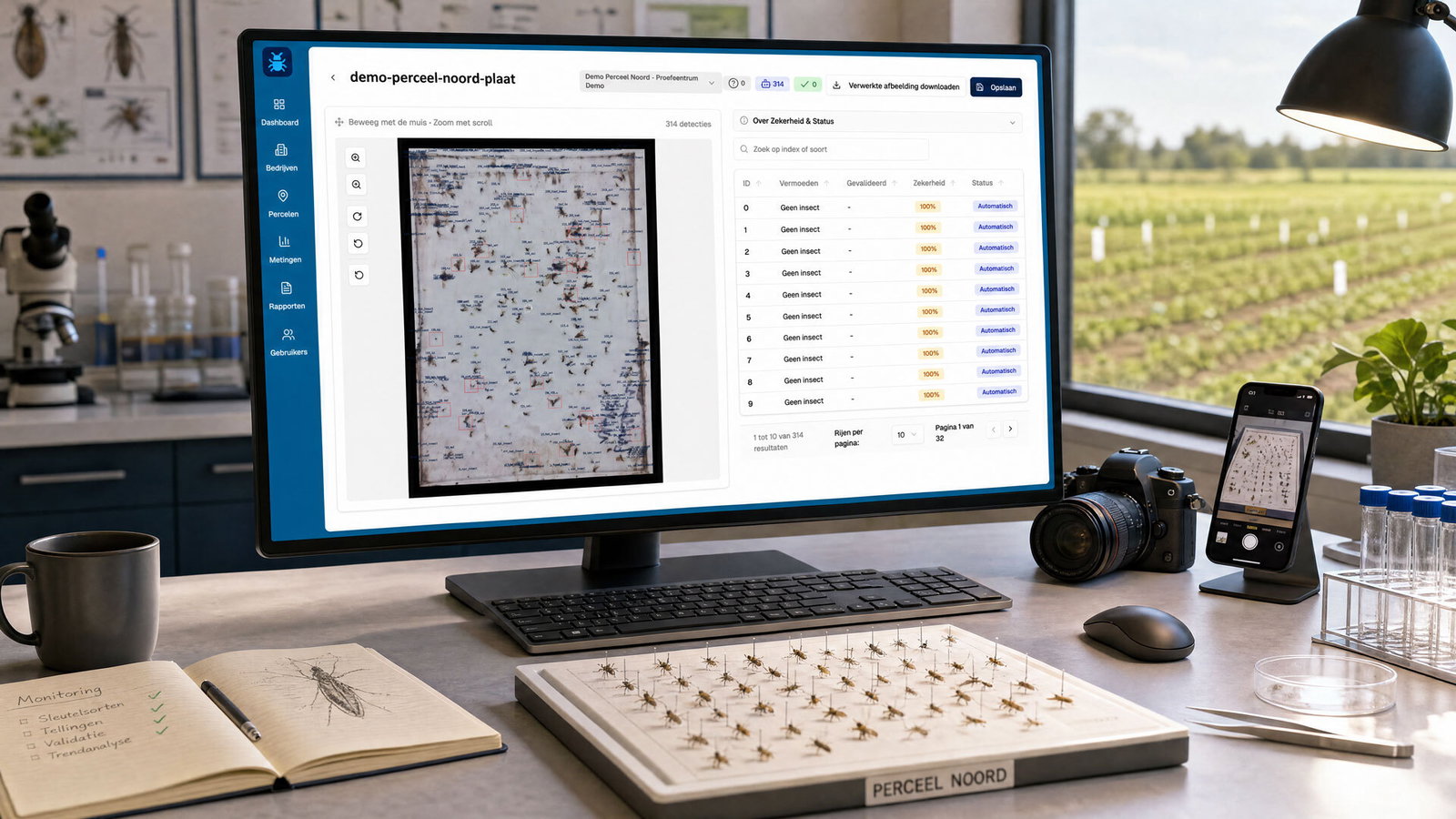
KU Leuven researchers and growers get fast image analysis, alerts and reports in a secure web app.
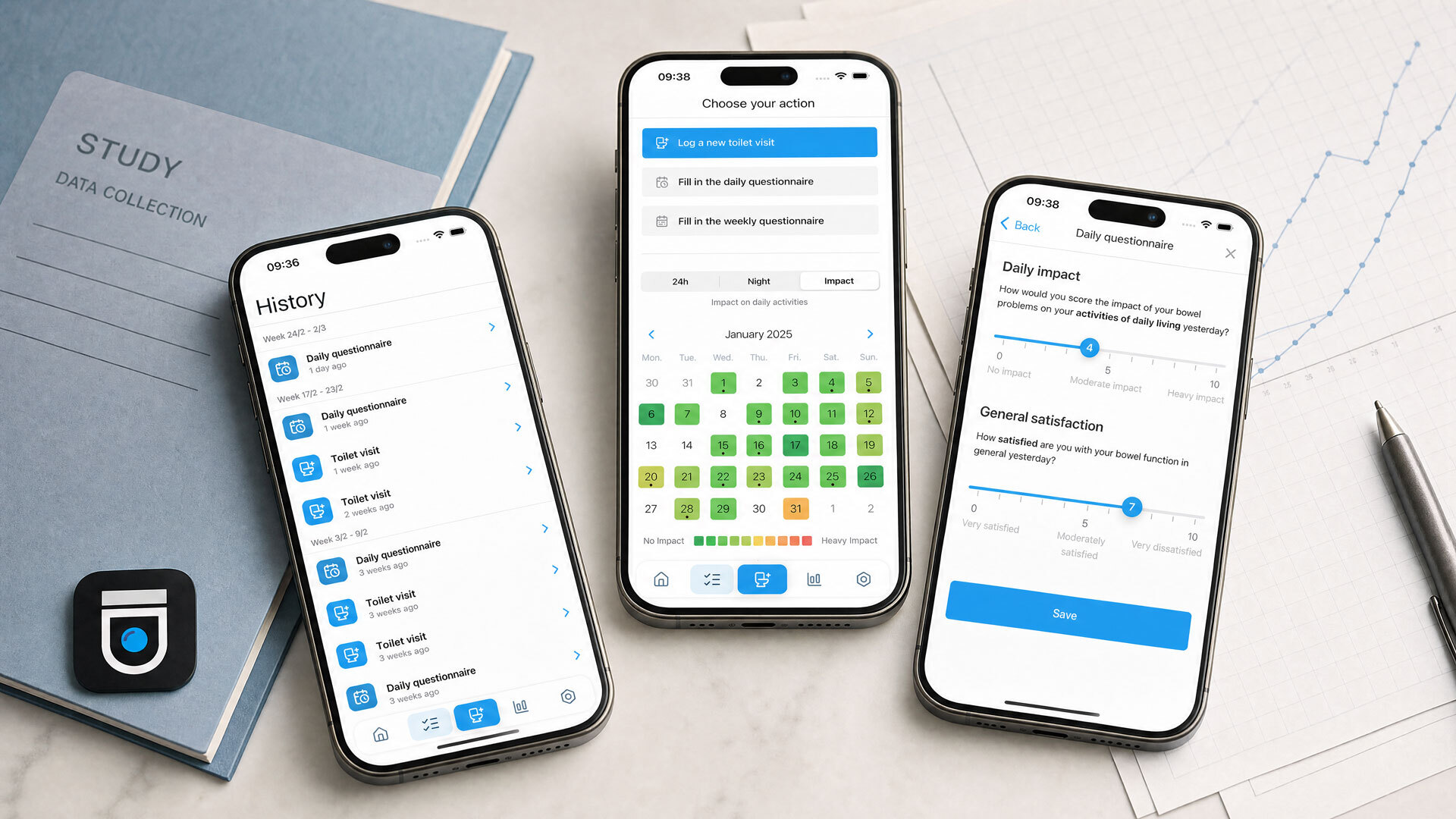
Patients complete the questionnaire in 30 seconds; researchers at KU Leuven and UZ Leuven receive longitudinal data.
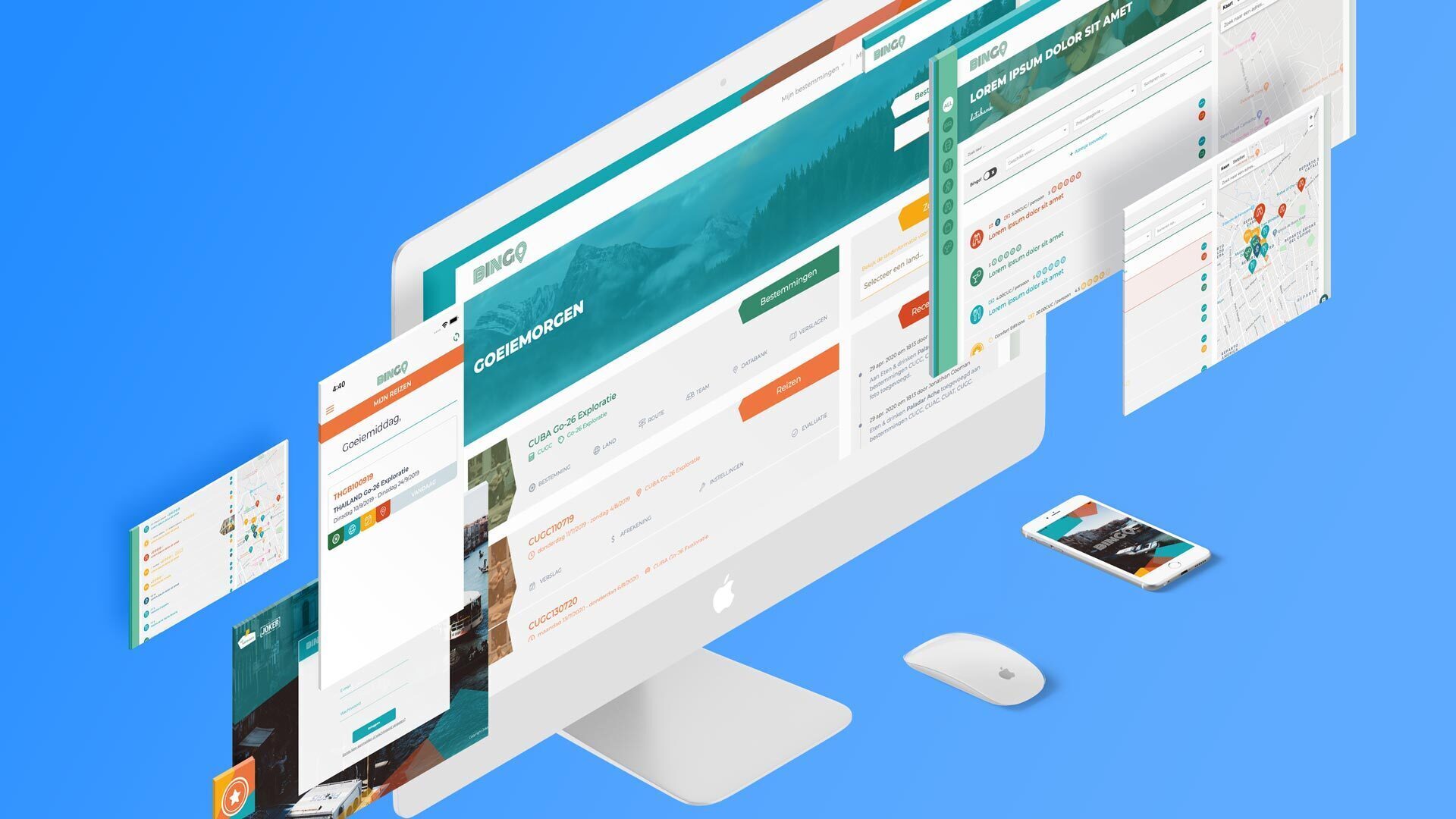
Hundreds of trips, years of development. The app extends the platform and keeps the work connected.
We can help define the right first version: small enough to be achievable, and solid enough for people to use.
You'll speak straight away with someone who digs into the actual problem.