


S.Tool
How we made bowel complaints after cancer surgery easier to talk about, with an app
Client
Research Group for Rehabilitation in Internal Disorders, KU Leuven & UZ Leuven
Services
Mobile app, web application, UX design, cloud architecture, hosting
Sector
Health tech / academic research
Timeline
<6 months (first version)
Languages
Dutch, French, English
Tech stack
React Native (Expo), Next.js, Supabase, PostgreSQL, TypeScript, Tailwind CSS
The question
Six in ten patients who undergo rectal cancer surgery struggle with persistent bowel complaints afterwards. Low Anterior Resection Syndrome, LARS for short. Frequent bowel movements, unpredictable urgency, incontinence. Long-term complaints that weigh heavily on their daily lives.
A team at KU Leuven and UZ Leuven is investigating whether structured symptom tracking by patients helps researchers understand which treatments work. And when patients gain insight into their own patterns at the same time, they can also communicate better with their own care provider.
The old method was pen and paper. Since patients need to log very frequently, day and night and therefore also on the go, that was far from ideal. What was needed was an app that could track daily symptoms longitudinally as a validated tool in this context.
The research team came to us with an idea and a need. No designs, no specs. They were looking for a partner who could carry the whole journey: from concept to an app in patients' hands.

Approach
Two worlds, one app
This project had a built-in tension from day one. Researchers want rich data. Detailed questionnaires, several measurements a day, weekly follow-ups. Patients are in a vulnerable period after major surgery. They want something simple they can open on the toilet, log their measurement in thirty seconds and get on with their day.
Those two worlds had to come together in one product. The key: if the UX is good enough for patients to keep going for weeks, the researcher automatically gets better data. More compliance, less drop-out.
The research team developed the questionnaires themselves, tuned to the clinical context. We took on the UX. Every toilet visit, every daily and weekly questionnaire became a step-by-step wizard. Conditional questions that only appear when relevant. Big buttons. Minimal text.

Privacy as a design principle
With medical data in a research context, privacy is not a box to tick.
A QR-code login mechanism ensures that personal details and logins never live in the same database. No email, no password. On first use the patient scans a QR code that starts the session via a signed token. Identity stays separate from data.
Technically it works like this: the QR code contains a signed JWT. A Supabase edge function validates the token and links the patient to a research project, without any personally identifiable information ever landing in the database. All research data is pseudonymised via a unique code. The researcher sees data, not people.
We deliberately chose Supabase in the cloud with Row Level Security on every table, combined with that strict separation of PII and research data. This met the privacy requirements and proved scalable enough afterwards too.

Multilingual from day one
To involve enough patients, multilingualism was a hard requirement: Dutch, French and English. The interface as well as the medical terminology. Stool types, bowel complaints, medication names — everything had to be clinically correct in three languages.
In the mobile app we used react-i18next, in the web application next-intl. Two frameworks, but the same translation keys and the same language files wherever possible. The research team supplied the medical translations. We made sure the app looked just as good in every language, even when a French label is twice as long as the Dutch one.
More than an app
The project covered more than the mobile patient app. We built a full Next.js web application with a public website (stoolapp.be) and an admin dashboard for researchers. There they manage their projects, review pseudonymised data, generate enrolment QR codes for new patients and export datasets for analysis.
We also built edge functions for email delivery, PDF generation of enrolment documents and QR codes. A mail template pipeline with MJML. And a database schema with migrations that was ready from day one for multiple research projects and multiple enrolments per patient.
Through the app, patients can also share data with their own care provider: a secure link the doctor can open to review their progress. So the app is both a research instrument and a communication channel between patient and clinician.

The result
S.Tool runs in production and is actively used by more than 180 patients in two ongoing studies at KU Leuven and UZ Leuven. Over 25,000 stool logs have been collected. Several centres across Flanders are taking part, and ten new centres are ready to start.
Patients log a measurement at every toilet visit. They fill in a short daily questionnaire about symptoms, diet and medication, and a more extensive weekly one. They see their patterns in charts: per week, per month, per quarter. And they share their overview with their clinician via a secure link.
Researchers get structured, pseudonymised datasets they can export and analyse. No Excel files being emailed around. No paper forms typed up weeks later.

Andere cases
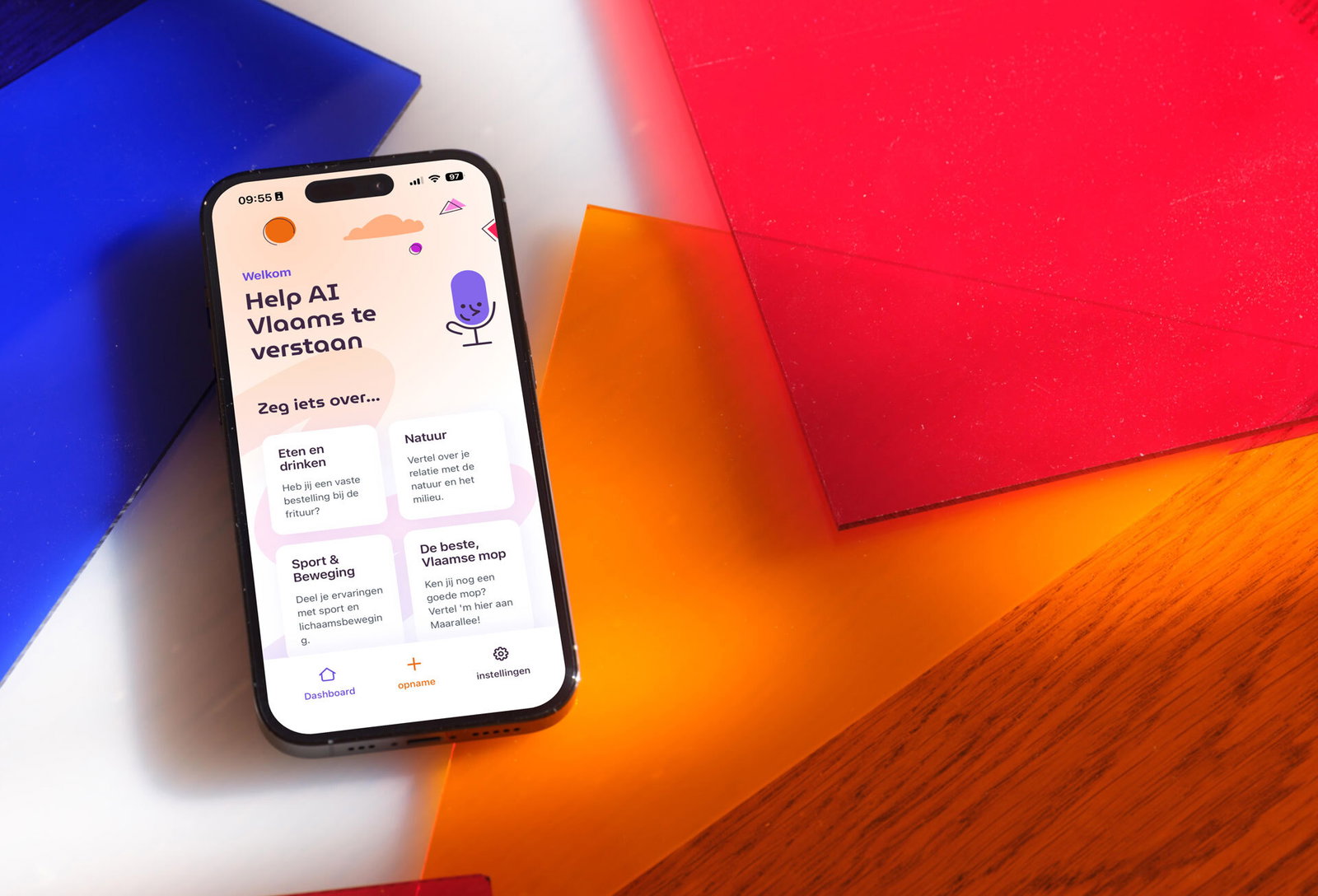
Een lean citizen-science-app die Vlaamse spraak verzamelt
Burgers spreken zinnen in, Scivil verzamelt data om AI beter te laten luisteren. Zonder zwaar platform achter de schermen.
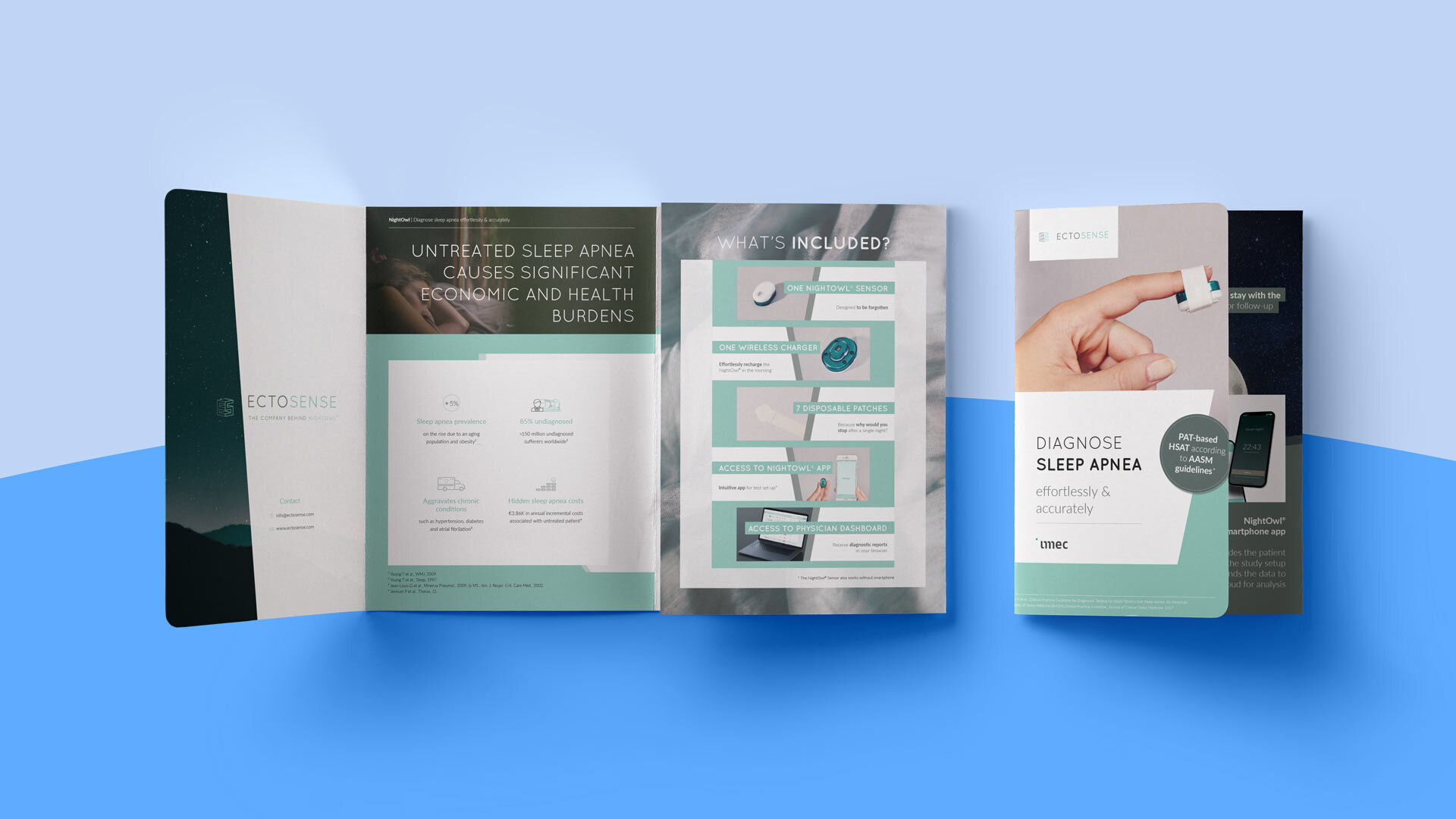
Prototype voor digitale zorg bij slaapstoornissen
Van brand over productdesign tot softwareprototypes op web, mobiel en wearables voor een medtech-start-up.
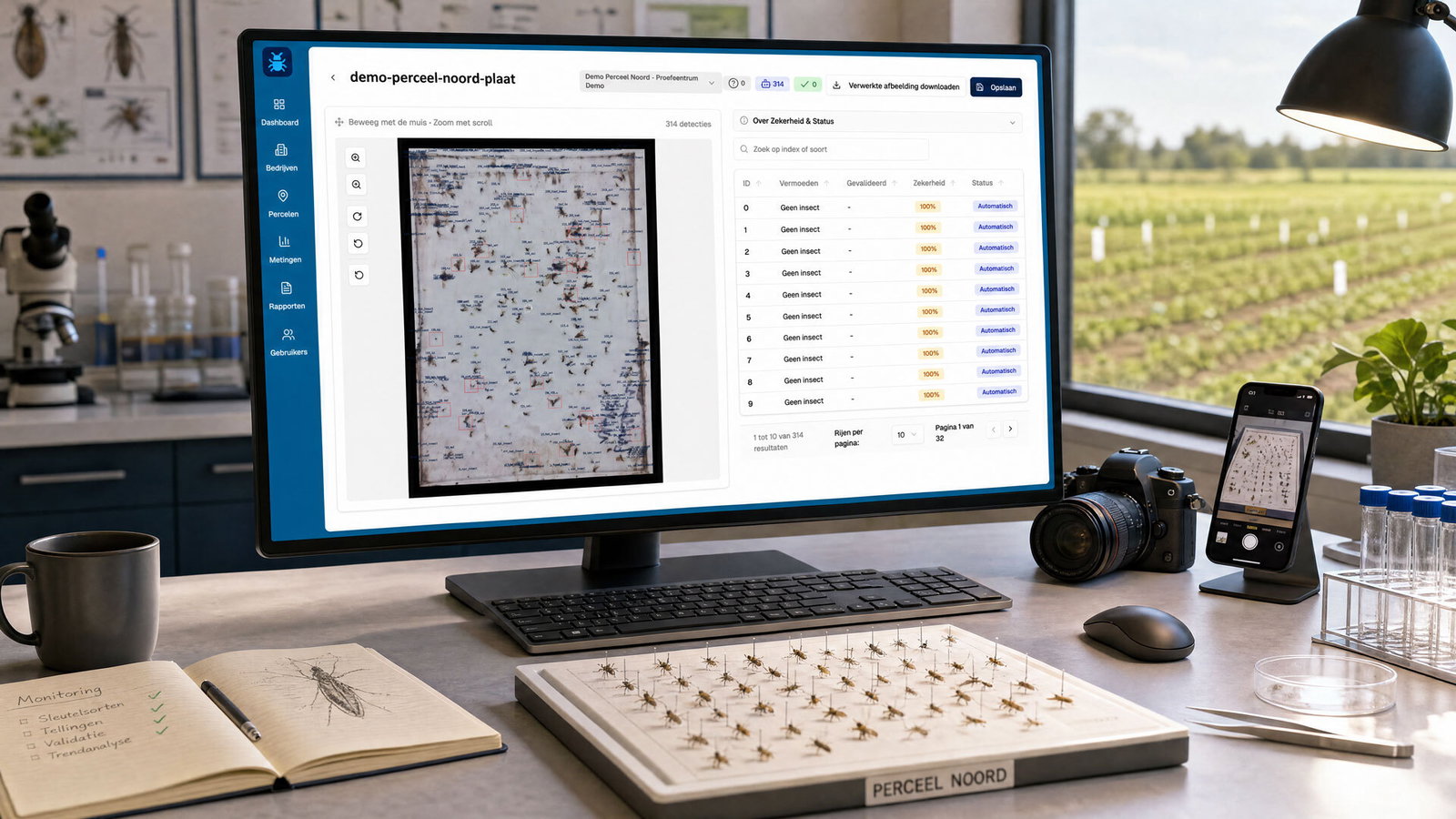
AI-insectendetectie van labo naar veld
KU Leuven-onderzoekers en telers krijgen snelle foto-analyses, waarschuwingen en rapporten in een veilige webapp.
Do you need a digital product that goes further than a website or app?
Tell us where your organisation wants to go and what's difficult today. We'll think along about a first workable step.
You'll speak straight away with someone who digs into the actual problem.