Skip navigation

Website development

A professional website you keep control of

An AI website builder such as Wix, Framer or Lovable can put a site online in an hour. That is the build. We build what comes next: who publishes which text, in which language, who reviews it, and who will still understand it five years from now.

Looking for a five-page brochure site that is built once and never touched again? You will find cheaper options elsewhere. We would rather say so at the start.

De Wikke website on a laptop and phone

How we build and support your website

Our websites run on Nimbu, our own content management system. Editors work in it themselves, with roles, a review step and version history. Multilingual content is built into the structure: each language has its own version, with someone to approve it. Integrations with the systems you already use are part of the work, not an extra.

Sites that can handle multiple languages, multiple editors and real integrations

119 organisations contribute listings to Digiwijzer
752 courses can be searched from one search field
200+ editors actively work in Nimbu

When is an AI website builder no longer enough?

An AI website builder is enough for a sole trader, a campaign page or a first version to test an idea. Problems start when more than one person needs to maintain the site. These are four things we often hear:
“Every text change costs us credits.”
The site lives on the tool’s platform. You pay to change your own text, and each change can alter something nobody asked for.
“Our French pages go live before anyone has read them.”
AI can translate in seconds, and we use it too. What a builder does not do is hold back the French version until the right colleague has reviewed it, or give Wallonia its own content instead of a translated Flemish site.
“Four people publish and nobody reviews.”
Anyone with a login can publish straight away. A review step is missing, or sits behind an enterprise plan. An error on the homepage stays there until someone happens to spot it.
“The person who built this no longer works here.”
The knowledge sat with one person or in a series of prompts. The export does not run on your own server, and the developer you bring in would rather start again.
Every workaround takes time and scatters the content further. The organisation then depends on the one person who knows how everything fits together.

Having a website built: what exactly do we build?

The difference lies in what you need to be able to do with the site afterwards.

AI website builderA Zenjoy website
BuildingAn hour to a dayWeeks, with research and design
PublishingRoles, but a review step only on enterprise plans, if at allRoles, permissions, review step, version history
LanguagesTranslated automatically and published immediately; nobody approves it and nothing shows what is behindEach language has its own version of the same content, with a review step for each language
IntegrationsWidgets and formsCRM, accounting, membership database, single sign-on
AccessibilityNot checked, no statementWCAG 2.1 AA as a starting point, with an accessibility statement
OwnershipContent and code live on the tool’s platformYour content and custom code belong to you, set out in the contract
After three yearsStay with the tool or start againKeep building on what is there
If something goes wrongYou, with a chatbot and a forumUs, with a person who knows your site

Four things we include as standard

Editorial workflow and roles

Who may write, review and publish. Version history lets you roll back a change without calling anyone.

Multilingual content built into the structure

We use AI for translation. Dutch, French and English are versions of the same content, not three separate sites. Someone decides what goes live in each language, and a Walloon page can say something different from a Flemish one.

Integrations with the tools you already use

Membership databases, CRM, accounting and registration systems. We first determine whether an integration makes more sense than a replacement.

Accessibility and ownership

The European Accessibility Act has applied since 28 June 2025. For services it covers, this means WCAG 2.1 AA and a written accessibility statement. We build accessibly from the start, including for sites that do not yet fall under the Act.

Does your organisation need more than content, with users, files and processes? You need a web platform.

Do you sell online? You need an online shop, with its own approach to catalogue, stock and payments.

Web design that leads visitors to a next step

An AI website builder starts with a prompt and assumes you already know what belongs on your site. Most organisations do not, and that is normal: the content is spread across colleagues, PDFs and an old site. The first task is to structure that content. What belongs together, what can go, and who keeps it up to date? Design only makes sense after that.

A visitor decides within seconds whether to keep reading or leave. That first impression determines how much of your content they will ever see. Each project therefore starts with who is visiting, what that person is looking for, and which step you want them to take.

Only then do we draw screens. We use wireframes until the structure is settled, then design around the content you actually have, not the content that looks good in a template. A usable site also considers the people who use it: screen-reader users, keyboard users and people on a slow connection.

Findability belongs to the same stage: a clear structure, fast pages, titles and descriptions you can manage yourself, and content search engines can read. Potential customers can find the site and understand what you do within one screen.

Three things we define before building a website

Structure: which pages, which levels and how many pages you can realistically maintain.
Functionality: contact form, search, newsletter and integrations with the tools you already use.
Content: what you reuse from the current website, what you rewrite and who does it.

A strong website gives your content a structure that will still fit when you add a service in two years. We define that structure before working on the visual design, then test the user experience with the people who will use it.

Person working on a website structure on a laptop

How we make a website your team can maintain

More about our approach

Structure

We gather what exists and decide what goes on the site, what can go and who maintains it.

Design

Wireframes until the structure is settled, then a design based on your real content.

Build

In Nimbu, with roles, languages and integrations. Accessibility is built in from the start.

Fill and review

Your editorial team enters the content. Together, we review what is still missing in each language.

Launch

Domain, email and findability carry over. You do not lose visitors in the move.

Maintain

Yourself, or with Platform Care and direct contact with a member of our team.

Professional websites still in use years later

More cases
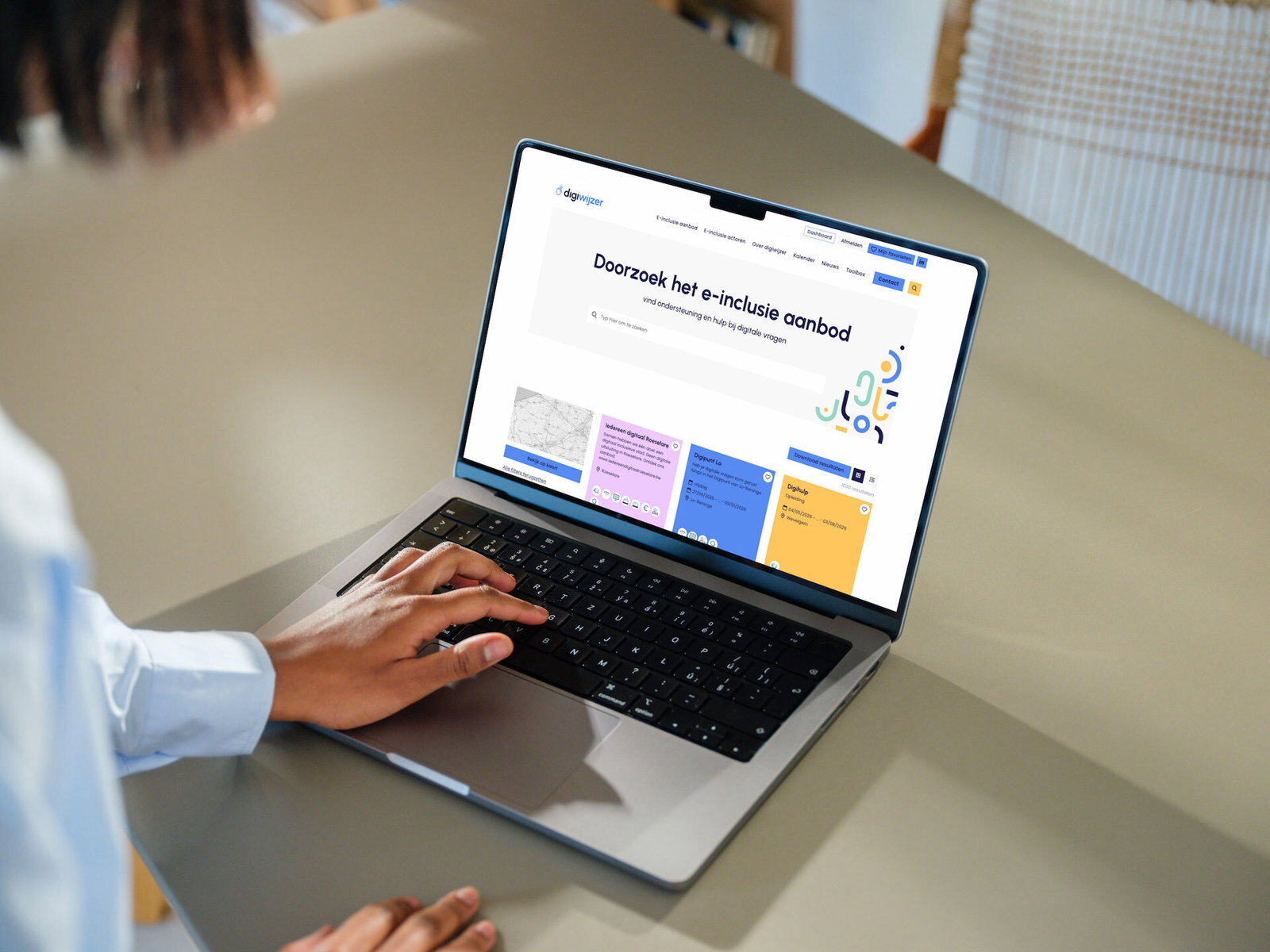
Digiwijzer on a laptop screen
WEBSITE

Digiwijzer · One searchable offering, submitted by many organisations

West Flanders’ digital inclusion offering comes from providers across the province and partly from UiTdatabank. The editorial team controls what appears; visitors search and filter down to their municipality.
Read the case
The ABESCO website on a laptop
WEBSITE

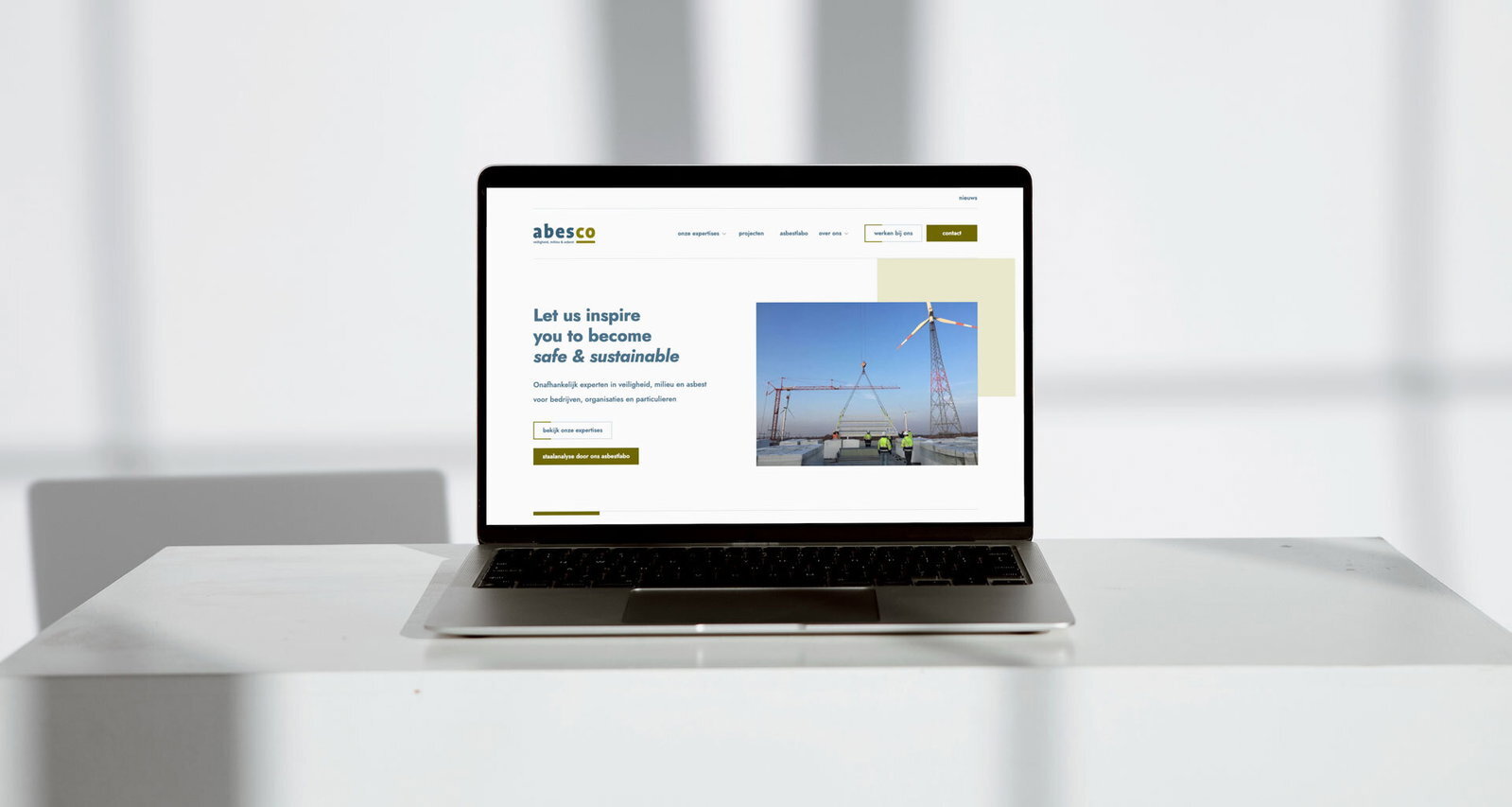
ABESCO · Publish independently and receive requests online

ABESCO manages its own news, projects, vacancies and courses in Nimbu. Customers request sample analyses and register for courses online. The team no longer needs a developer to publish a news item.
Read the case
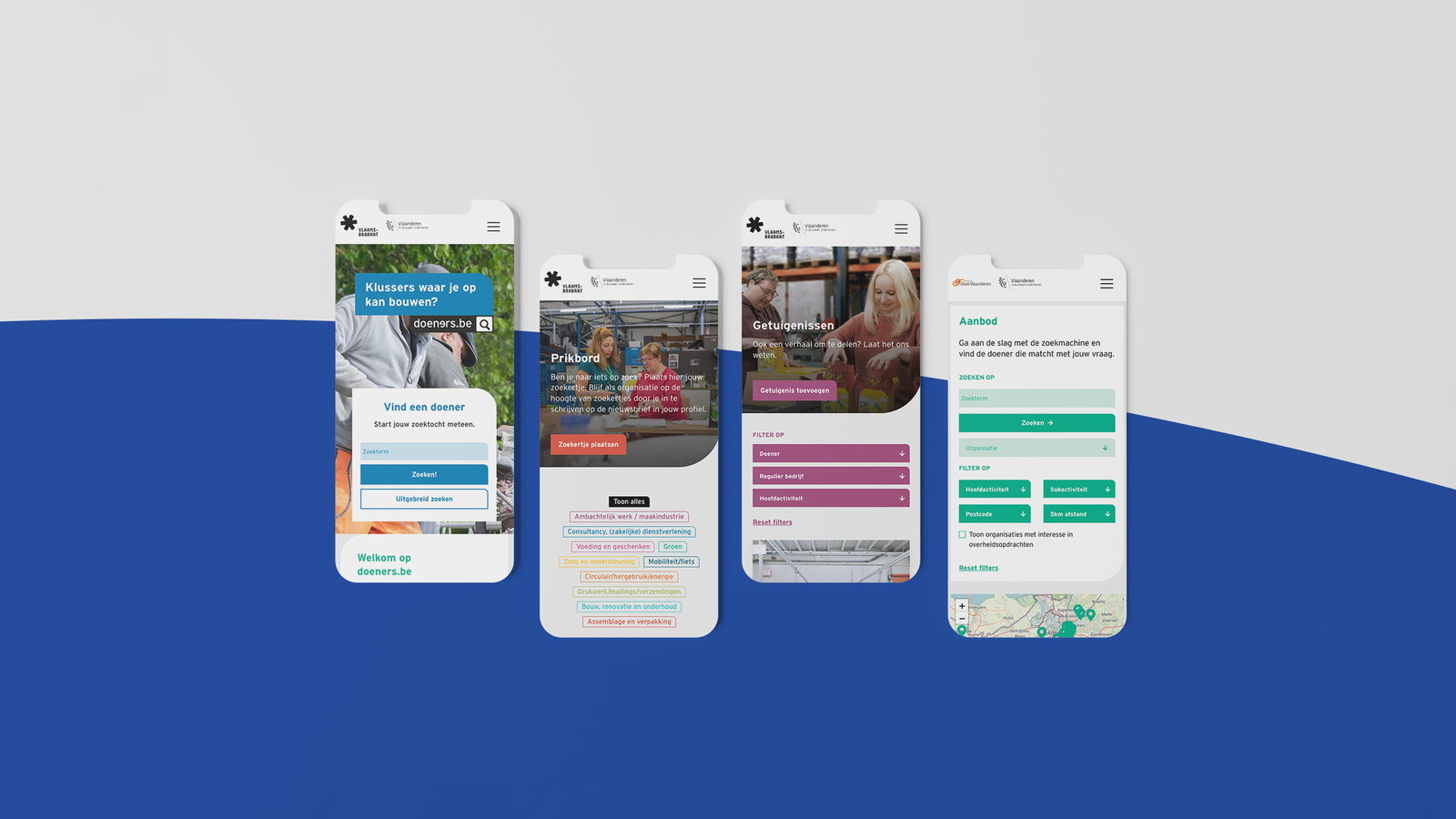
Doeners, a website of the Association of Flemish Provinces
WEBSITE

Association of Flemish Provinces · One editorial team, five provinces

Doeners brings separate initiatives together in one place, with clear agreements on who publishes what.
Read the case

Need a new website? You do not need a brief yet

In a first conversation, we look at who will work in the site, which languages you need, which integrations are required and what content you already have. You then receive a proposal for a first version you can actually use, with an estimated budget and timeline. It also states what is outside scope, so you do not encounter hidden costs later.

If an existing website is causing problems, we start there. We keep what works, move the content, put the structure right and migrate the rest in stages. Your domain name, email and findability continue as normal; a migration should not cost you visitors.

You are also buying continued responsibility: a team that knows your site, says when something is not a good idea and fixes it when things go wrong. An AI website builder gives you a chatbot; we give you direct contact with a member of our team.

Discussion about a new website

Questions we often get

Yes. For a simple site with a few pages, it can take you a long way and often produces a polished result. It runs into trouble with what comes next: multiple editors, languages someone must approve, integrations with your other systems, accessibility and the question of who can adapt the site three years from now. If none of that applies, an AI website builder may suit you. If it does, we build the site.

It depends on the number of languages, pages, editors and roles, the integrations and the amount of content that needs to move. A site managed by one person costs a fraction of one where fifteen people publish in three languages. We estimate it in the first conversation and include it in a proposal before we start, including what is outside scope. We do not advertise a low starting figure and bill the rest as extra work. That is how hidden costs arise.

Visitors find what they need within one screen, the content stays accurate because someone can maintain it, and the site loads quickly enough that they do not leave. You also need to be able to improve it yourself: adjust a page when it does not generate leads, without needing a developer. A new website that is frozen after six months was not a good website.

Yes. That is what our CMS is built for. You manage text, images, pages and menus yourself, without credits per change or having to call us. We help with structural changes. The distinction that matters is this: your editorial team must be able to run the site without us, and we must be able to extend it without starting over.

The European Accessibility Act has applied since 28 June 2025 and requires WCAG 2.1 AA plus a written accessibility statement. Online shops, banks, ticket sales and telecoms fall under it; existing services and micro-enterprises have exemptions and transition periods until 2030. We check what applies to you. We build accessibly in any case.

You do. We set out your content, custom code and access to repositories and accounts in the contract. We host and maintain the site for as long as you want, and you can leave when you want. That matters: with most AI website builders, your website sits on their platform, and leaving often means starting again.

We build the foundations: speed, a structure search engines understand, multilingual URLs, titles and descriptions you can manage yourself, and content that remains readable without JavaScript. That is the part of findability built into a website, and it determines whether you can rank in Google at all.

Improving visibility over time also requires content that someone keeps up to date. For ongoing SEO or advertising, we work with partners who follow it every week. We would rather not sell you a package that comes to a standstill after launch.

More people ask chatbots instead of using a search field and receive an answer with a handful of sources. Those sources can bring visitors who never see a results page.

Nobody can sell you a place in those answers. You can make sure these systems can read and assess your content: use a clear structure with real headings, put facts on your own site instead of only in PDFs or images, make pages crawlable without JavaScript, and keep the content current. That last part requires an editorial team that continues to publish.

It comes down to the same thing as the rest of this page. A site you can maintain gives search engines and AI systems clear, current content to read. A site nobody touches falls out of date everywhere.

Rarely because it looks old. You need one when your current website holds you back: you cannot add a language, you do not dare give anyone access, every change goes through one person, or the site does not meet the accessibility standard. Building a new website can then cost less than continuing to patch it. If only the look is at issue, a redesign on the same foundation is usually enough, and we say so.

Yes, fully in the EU, from server to backup. Your data does not leave Europe, including through intermediaries. Monitoring, backups and updates are included in Platform Care.

Allow a few weeks for a site with limited content and a clear structure, and a few months once several languages, integrations or a large amount of existing content are involved. Content determines the timeline more often than the build does.

Wondering whether your site needs replacing?

Tell us briefly who works in it now and what is going wrong. We will think it through with you.
Plan a conversation

You will speak with someone who can think through the substance of your project. No obligation, no standard pitch.

Would you rather see what we build first? View the cases