
Challenge
Spierziekten Vlaanderen needed a clear website for the general public, but also a workable system for members, a webshop and activities. Behind the scenes, a lot depended on manual follow-up by volunteers.


A clear website and member platform for information, payments and activities
Client
Spierziekten Vlaanderen
Services
Information architecture, website development, member platform, e-commerce, online payments, admin tooling
Sector
Patient association / non-profit / care
Timeline
Phased collaboration, with a later extension for memberships and activities
Status
Live and in active use
Tech stack
Nimbu, Liquid, Alpine.js, Nimbu Cloud Code, Mollie, Brevo
Spierziekten Vlaanderen needed a clear website for the general public, but also a workable system for members, a webshop and activities. Behind the scenes, a lot depended on manual follow-up by volunteers.
We built one platform with a clear public website, a member zone, online memberships, a webshop and activity registrations with payments and access rules.
Today Spierziekten Vlaanderen combines public information, member content, online payments and activity management in one environment. That makes the website clearer for visitors and the daily work a lot more manageable for the volunteer team.
Spierziekten Vlaanderen is een vrijwilligersorganisatie die mensen met een neuromusculaire aandoening en hun omgeving informeert, ondersteunt en samenbrengt. Dat vraagt veel van een digitaal platform.
Publiek moest die website in de eerste plaats duidelijk zijn. Mensen zoeken er geen marketingverhaal. Ze zoeken uitleg over spierziekten, diagnosegroepen, zorgthema's, activiteiten, nieuws, contactpunten en steunmogelijkheden. Vaak op een moment dat ze vooral helderheid willen.
Maar daar stopte de vraag niet.
Naast die publiekskant was er ook een ledenwerking met eigen informatie, een webshop, en later een veel uitgebreider lidmaatschapsluik. Toen we aan die tweede fase begonnen, ging het al om ongeveer 490 aangesloten gezinnen. Lidmaatschappen, gezinsgegevens, toegang tot ledencontent, inschrijvingen voor activiteiten en betalingen moesten beheerd worden door een team van vrijwilligers met beperkte technische bagage.

There was an existing SaaS platform in use, but it offered too little flexibility for the association's specific way of working.
For an average association, a standard solution like that is often good enough. Not here. Who is a member? Since when? Which family members belong to a membership? May someone register at the member rate? Does an activity only apply to members who have been affiliated for three months? How do you combine different price types, online payments and member content without constantly working around the system's limitations? And how do you keep that workable for a volunteer team?
So the real question was not only: can you build a clear website?
The real question was: can you bring public information, member operations, payments and activities together in one workable whole, in a way that truly fits how Spierziekten Vlaanderen works?
Voor Spierziekten Vlaanderen mocht dit geen publieke website aan de voorkant zijn met daar ergens nog een apart ledensysteem achter.
De inhoud is breed en gevoelig: spierziekten, diagnosegroepen, zorgthema's, nieuws, activiteiten, steunacties en ledeninformatie. Tegelijk moest de vereniging ook lidmaatschappen, gezinsgegevens, betalingen en inschrijvingen kunnen beheren zonder te verdrinken in administratie.
Daarom hebben we het platform opgezet als één geheel. De publieke kant kreeg een duidelijke navigatie, zoekfunctie en een flexibele contentstructuur. Diagnosegroepen en spierziekten zijn georganiseerd als doorzoekbare lijsten en accordeons. Nieuws, activiteiten, zorgthema's en magazine-inhoud hebben elk hun eigen plek, zonder dat de site versnipperd aanvoelt.

Spierziekten Vlaanderen wilde geen standaardoplossing waar ze hun werking opnieuw aan moesten aanpassen. Ze wilden een oplossing die aansloot op hun werking. Het ledendeel moest dus niet ergens naast de website blijven bestaan, maar mee in hetzelfde platform landen.
We hebben lidmaatschappen opgezet als een echte online flow, met registratie, checkout en betaling. Na aankoop wordt een lidmaatschap aangemaakt, krijgt de gebruiker de juiste rol, en start een onboarding waarin het gezin verder aangevuld wordt. Voor professionele leden verloopt dat anders dan voor gewone leden. Ook dat zit in de logica ingebouwd.
Belangrijk detail: een lidmaatschap gaat hier niet over één account alleen. Er zit een gezinsstructuur achter, met familieleden, diagnoses en rechten die daarop doorwerken. Dat maakt dit meteen een stuk complexer dan een standaard login met een betaalmuur erboven.

Van zodra een lidmaatschap actief is en de gezinssamenstelling bevestigd is, komt de gebruiker in een ledenomgeving terecht die inhoud toont op basis van diagnosegroepen en rol.
Leden zien daar onder meer berichten en documentatie, diagnosegerichte info, magazines, zorgthema's en hun eigen activiteitinschrijvingen. Vernieuwing van het lidmaatschap wordt ook niet verstopt. Dat zit zichtbaar in de dashboardflow, met herinneringen en een korte weg terug naar aankoop.
Dat lijkt misschien een klein UX-detail, maar voor een vereniging met vrijwilligers maakt het een groot verschil. Hoe meer self-service je op een veilige manier kan voorzien, hoe minder opvolging achteraf via mail of telefoon moet gebeuren.

De uitbreiding rond activiteiten is waarschijnlijk het stuk waar de meeste verborgen complexiteit zat.
Niet elke activiteit werkt hetzelfde. Sommige zijn gratis. Andere hebben één prijs voor iedereen. Nog andere hebben een ledenprijs en een niet-ledenprijs. En sommige werken met varianten zoals volwassenen, kinderen of afhaalopties. Daarbovenop zijn er regels zoals leden-only activiteiten of activiteiten waarvoor je al minstens drie maanden lid moet zijn.
We hebben die logica niet proberen forceren in een standaardmodel. We hebben ze in het platform zelf gestoken.
Een activiteit kan linken naar een externe inschrijving, maar kan ook volledig intern afgehandeld worden. In dat laatste geval wordt het gelinkte product gebruikt om de juiste inschrijvingsflow te tonen. Voor leden kunnen gezinsleden toegevoegd worden aan ledenprijs. Voor niet-leden kunnen externe deelnemers toegevoegd worden. Deadlines worden afgedwongen. Gratis inschrijvingen worden meteen bevestigd. Betalende inschrijvingen lopen via Mollie. Pas na een succesvolle betaling worden de deelnemers ook echt aangemaakt.
Dat klinkt technisch, maar de essentie is eenvoudig: de regels van de vereniging zitten niet in een handleiding naast de site. Ze zitten in de werking van het platform zelf.

For volunteers and administrators we provided separate dashboards to follow up memberships, family members, activities, registrations and participants. With filters, statuses, detail screens and export functions that match their daily work.
That was necessary. When you work with a volunteer team, you cannot expect everything to keep running on knowledge that only lives in people's heads. The system has to help create order, without making things harder.
What makes this project strong is that public information, member operations, webshop and activities do not exist as loose solutions side by side.
Someone comes in through public information, becomes a member in the same environment, gets access to member content, registers for an activity and pays online. The association follows it all up in the same digital environment.
Vandaag heeft Spierziekten Vlaanderen een platform dat publieke informatie en ledenwerking samenbrengt zonder aan duidelijkheid in te boeten.
Bezoekers vinden er uitleg over spierziekten, diagnosegroepen, zorgthema's, activiteiten en het aanbod van de vereniging. Leden kunnen online aansluiten of vernieuwen, hun gezinsgegevens beheren, diagnosegerichte content raadplegen, magazines bekijken en zich inschrijven voor activiteiten. Betalingen verlopen online en beheerders hebben zicht op lidmaatschappen, deelnemers en inschrijvingen.
Voor het vrijwilligersteam is het verschil nog groter.
Wat vroeger vaak botste op de grenzen van een standaardplatform, zit nu veel strakker in de flow zelf: wie toegang heeft, wie nog moet vernieuwen, wie waarvoor ingeschreven is, wat al betaald is, welke deelnemers aan welke activiteit gekoppeld zijn. We plakken daar liever geen geforceerde ROI-claim op. Maar dit is wel precies het soort winst dat een vereniging elke week voelt.
Niet spectaculair. Wel belangrijk.
De administratie hangt minder af van losse kennis, opvolging via mailboxen en handmatig puzzelwerk. Dat is waarschijnlijk de waardevolste uitkomst van heel dit project.

This case did not end at a first delivery either.
What started as a clear website grew into a broader platform for members, payments and activities. That follow-up feels logical: once the foundation is right, an organisation also wants its internal workings to connect better with what visitors and members already do online.
That line continues. The platform is set up so additional components can connect logically to the existing operation, such as an online donation module. That is exactly what makes this approach strong: you are not building something that quickly gets stuck, but something the organisation can keep building on, step by step.
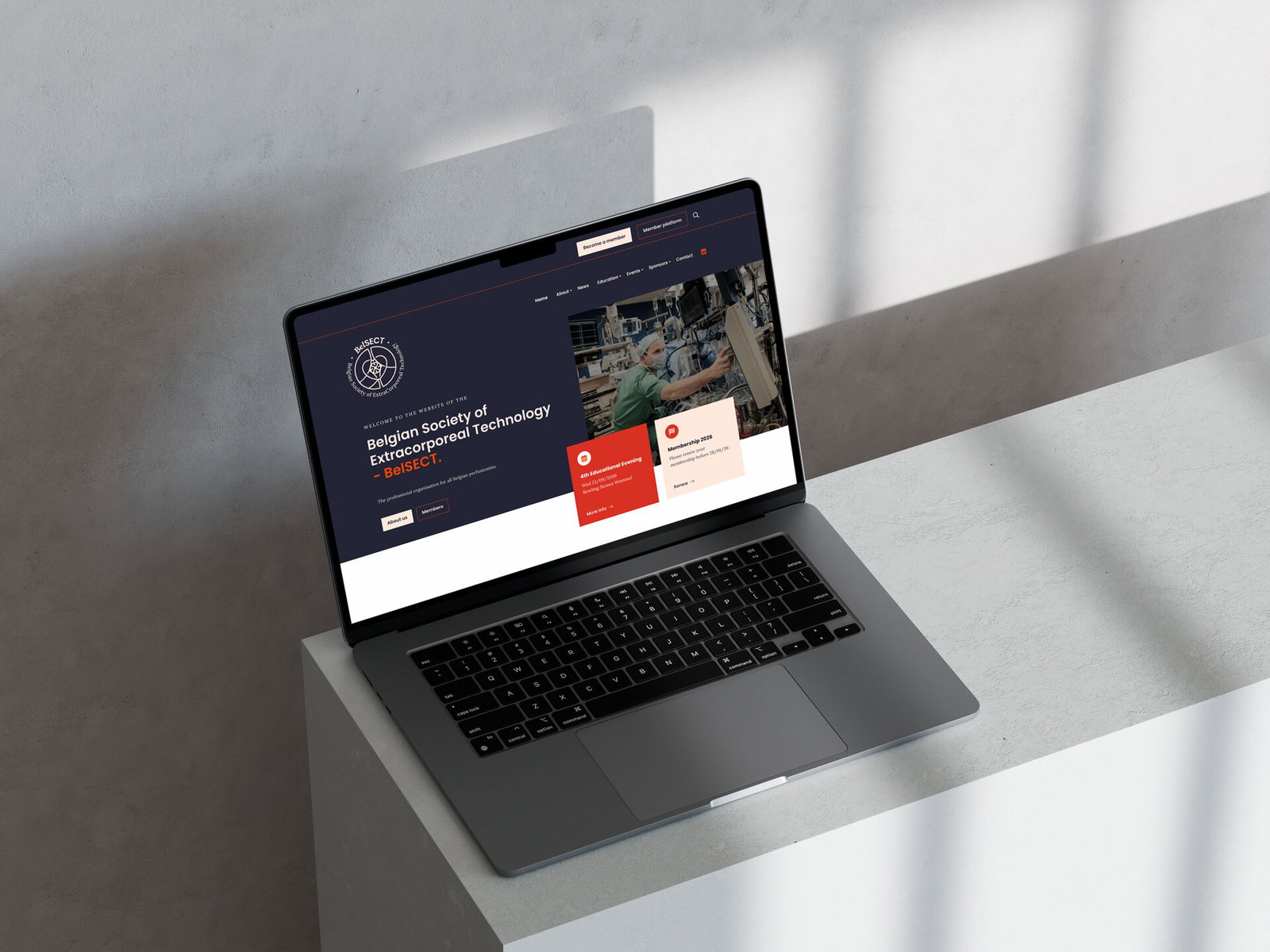
Leden, sponsors en vrijwilligers werken op één plek: lidmaatschappen, symposiumflows en online betalingen.
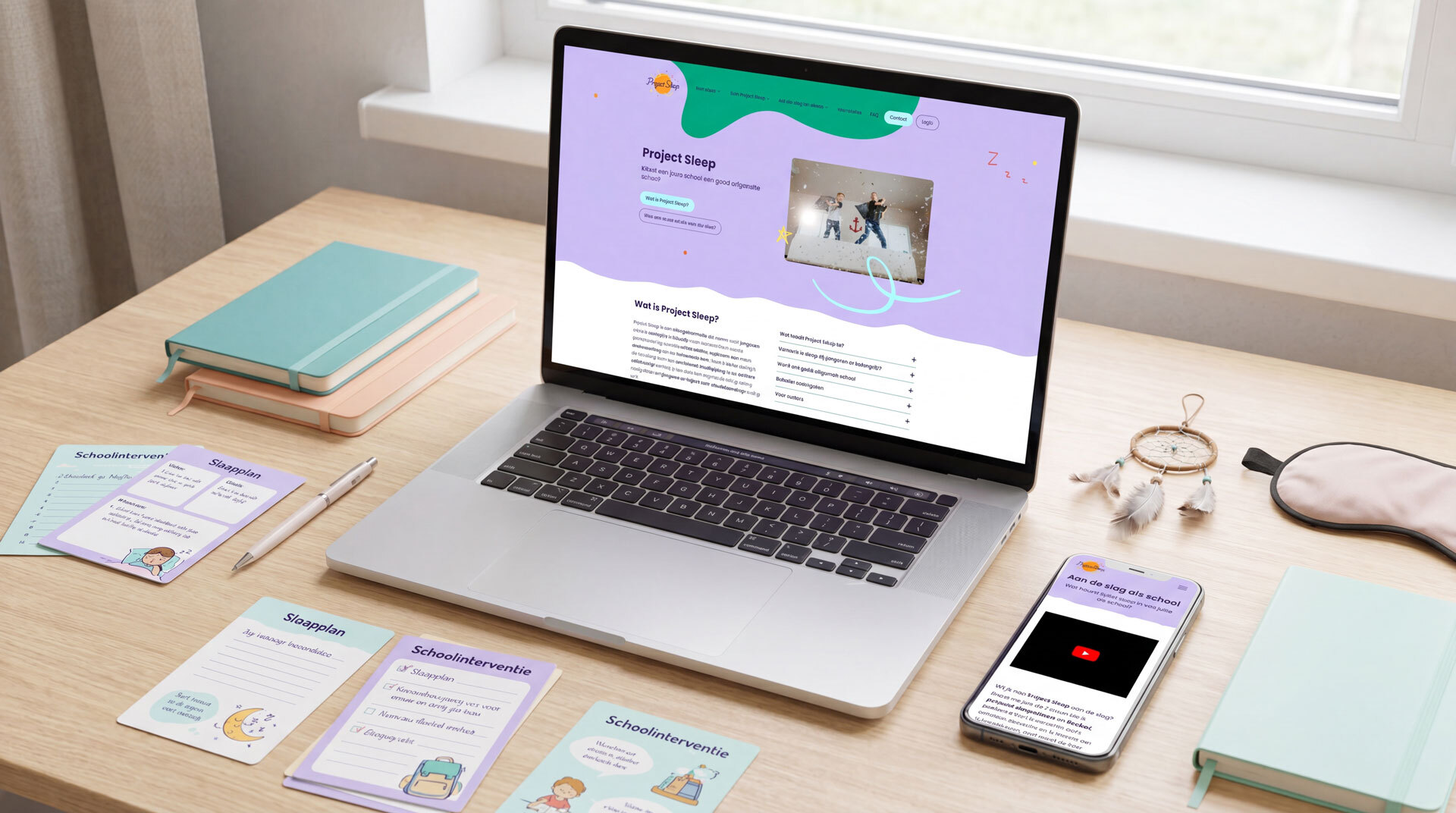
Een publiek infoplatform plus een afgeschermd traject dat scholen zelf kunnen uitvoeren, samen met UGent.
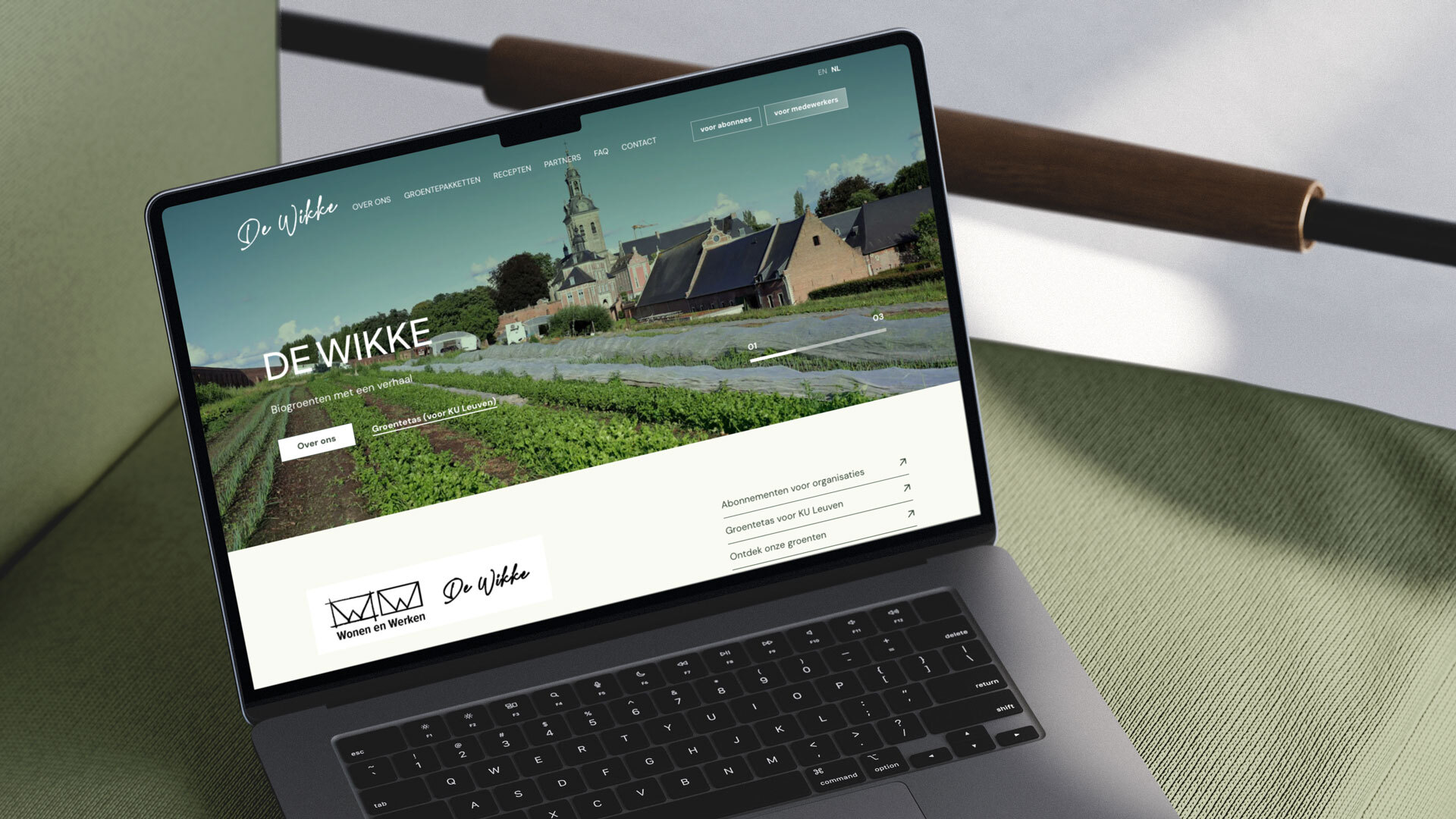
Webshop en werking voor een maatwerkbedrijf: van concept tot go-live in drie maanden.
Dan denken we graag mee.
Je spreekt meteen met iemand die inhoudelijk meedenkt.